
Show Notes
Gardening is not brain surgery or rocket science. There is so much more to our gardens than composting and digging holes. The plants we garden with are story machines, each begging to be heard.
Each week, sit back and listen to award-winning author and internationally acclaimed horticulturist Dr Allan Armitage as he talks about the “rest of the story.” For example, was there someone called Joe Pye, and how did the poppy become the flower of remembrance?
Find a little time in your day for some storytelling to fire up your curiosity and learn something interesting to share with others.
Show Notes
Season 2-Episode 1: Stories from the Garden: Epidmedium
Season 2-Episode 1: Dr. A's Top Picks for the Garden: Purple Fennel
In this episode, Dr. A shares one of his favorite kinds of garden tales: the story behind a plant’s name.
Today’s spotlight is on Epimedium, a tough, graceful ground cover native to Japan that thrives in shade, fills space beautifully, and surprises gardeners with delicate spring flowers and handsome foliage. But Epimedium’s real intrigue lies in its colorful common names—and the folklore behind them.
Dr. A walks us through how Epimedium came to be known as Barrenwort, Bishop’s Hat, and perhaps most famously, Horny Goat’s Weed. From observant Japanese goat farmers to early medicinal uses tied to fertility, this plant has a history that’s as entertaining as it is unexpected.
As always, Dr. A reminds us that plants are more than just things we grow—they’re stories we get to tell.
Whether you’re filling a shady corner of your garden or looking for a great conversation starter, Epimedium just might deserve a closer look.
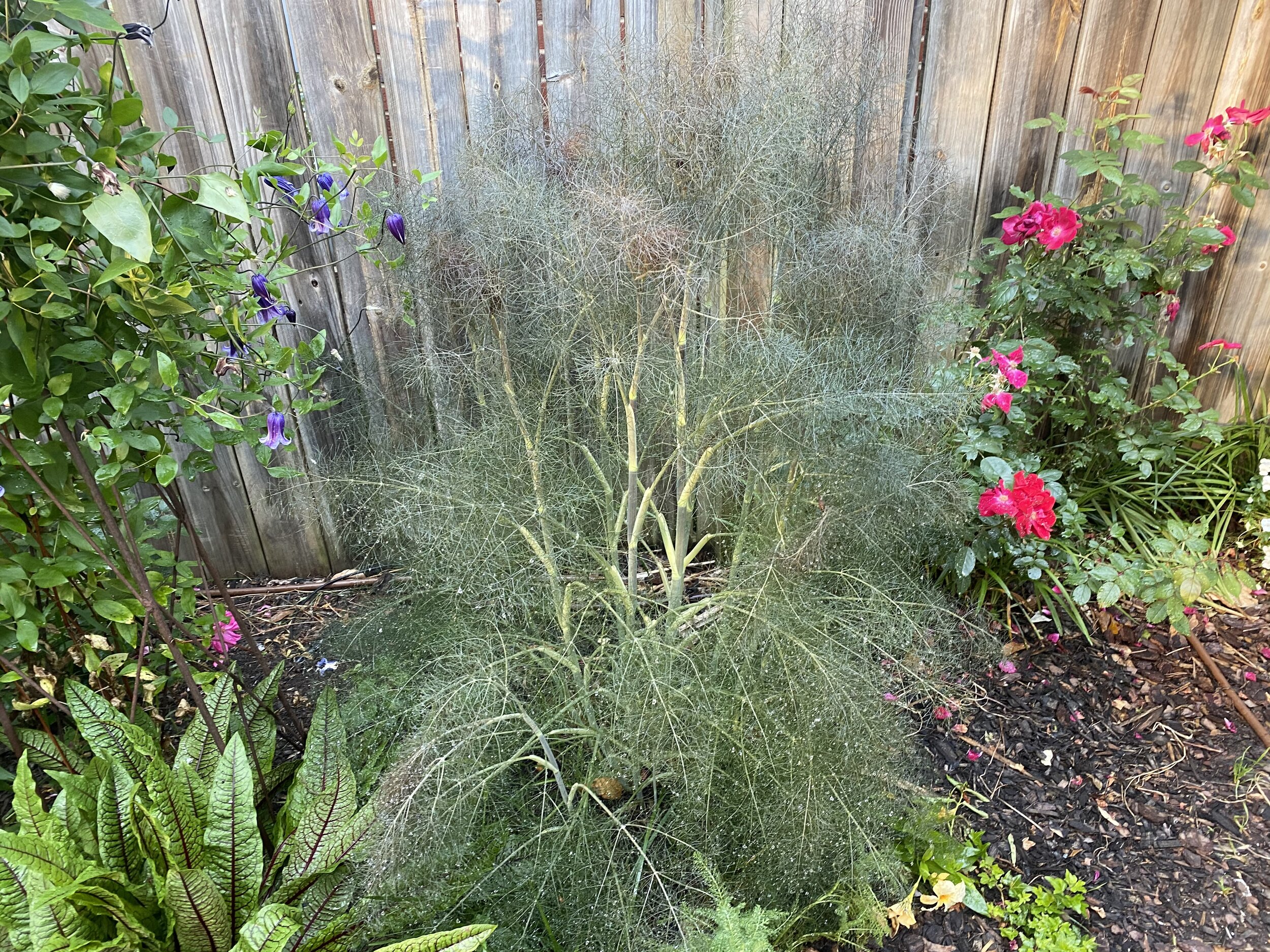
In this episode, Dr. A highlights one of his most guilt-free plant recommendations: purple fennel.
Perfect for gardeners with limited space, purple fennel is a standout example of foodscaping—blending edible plants seamlessly into an ornamental garden. With its feathery purple foliage, graceful height, and unmistakable licorice fragrance, this plant earns its place anywhere it gets four to five hours of sun.
Dr. A shares why purple fennel works so well in ornamental borders, how fragrance adds another layer of enjoyment to the garden, and why gardeners shouldn’t panic when caterpillars appear. As a host plant for swallowtail butterflies, fennel plays an important ecological role—supporting the life cycle that leads to one of the garden’s most beloved visitors.
This episode is a reminder that beautiful plants can be practical, forgiving, and beneficial to nature—all at the same time.